Simple Tricks to Prevent Toilet Clogs at Home
To prevent toilet clogging, it’s essential to know what you can and can’t flush. Flushing items like sanitary products or thick paper towels can lead to serious blockages. Using the right toilet paper and maintaining your plumbing can also make a big difference. Curious about the best practices for flushing and upkeep? Let’s investigate with Skilled Maids on some effective strategies that can keep your toilet running smoothly.
Key Takeaways
- Only flush human waste and toilet paper; avoid non-flushable items like wipes and sanitary products.
- Choose a toilet paper brand that dissolves easily, such as 1-ply options like Scott 1,000.
- Regularly inspect and maintain the toilet’s inner workings to ensure proper flushing function.
- Clean the toilet regularly to remove limescale and prevent buildup that can affect flow.
- Use a flange plunger for minor clogs and address any blockages promptly to prevent escalation.
Common Causes of Toilet Clogs and How to Avoid Them
Toilet clogs can be a frustrating hassle, but understanding their common causes can help you avoid them. One major culprit is flushing non-flushable items like sanitary products, diapers, and even “flushable” wipes. Encourage everyone in your household to be aware of what can and can’t be flushed.
Using too much toilet paper can also lead to clogs, so consider reducing usage or trying different brands for better dissolving. Low-flow toilets, while eco-friendly, may lack the pressure needed for effective waste removal; upgrading could be beneficial.
Regular drain cleaning and checking the toilet trap for blockages can prevent plumbing issues. Don’t forget about toilet vents—clean them regularly to maintain proper airflow.
Lastly, keep an eye on your water supply; ensuring the fill valve functions correctly can improve flushing. Following these clog prevention tips will save you time and money on toilet repair.
Tips for Proper Flushing to Prevent Clogs
When you want to prevent clogs, understanding the importance of proper flushing is key. Start by teaching everyone in your household what to flush: only human waste and toilet paper. Non-biodegradable items can quickly lead to blockages.
Consider the type of toilet paper you use; opt for brands that break down easily to minimize clog risks.
Regularly inspect your toilet’s inner workings to guarantee everything functions correctly. Address any leaks promptly, as silent leaks can waste water and money.
Avoid chemical drain cleaners, which can harm your plumbing and health. Instead, invest in proper tools, like a flange plunger, to handle minor clogs effectively.
Lastly, educate your children about appropriate flushing habits. Instilling these practices will promote responsibility and help everyone contribute to a smoothly functioning bathroom.

Maintaining Your Toilet’s Plumbing for Optimal Flow
Maintaining your toilet’s plumbing is essential for ensuring optimal flow and preventing future problems.
Start by cleaning your toilet regularly to remove limescale and debris that can obstruct water flow. For traditional flush toilets, use a combination of daily disinfectant wipes and weekly deep cleaning with descalers. If you have an eco-friendly dry toilet, remember to empty and clean it regularly.
Check for signs of limescale, such as rough surfaces or persistent odors, and address them promptly using vinegar or citric acid. Installing a water softener can help prevent mineral build-up.
Additionally, inspect your flush mechanism for wear and replace any worn parts to avoid leaks and water waste.
Best Toilet Paper and Products to Use for Clog Prevention
Choosing the right toilet paper is essential for preventing clogs and maintaining a smoothly functioning plumbing system.
To keep your toilets running well, opt for 1-ply options like Scott 1,000, which disintegrated quickly during testing. It broke down into tiny pieces, minimizing the risk of clogs. Angel Soft is another excellent choice, as it also breaks down easily while providing comfort.
Avoid using thicker 3-ply brands like Quilted Northern Ultra Plush and Cottonelle Ultra Comfort Care, which performed poorly in disintegration tests and can lead to significant clogging issues.
Even popular 2-ply varieties like Charmin and Kirkland Signature aren’t ideal for clog prevention.
How to Handle Minor Toilet Clogs Before They Escalate
Even with the right toilet paper and mindful habits, minor clogs can still occur. When you notice signs of a blockage—like a slow flush or gurgling sounds—act quickly to prevent escalation.
First, avoid flushing anything other than waste and toilet paper. If children are using the bathroom, remind them to use only a small amount of toilet paper.
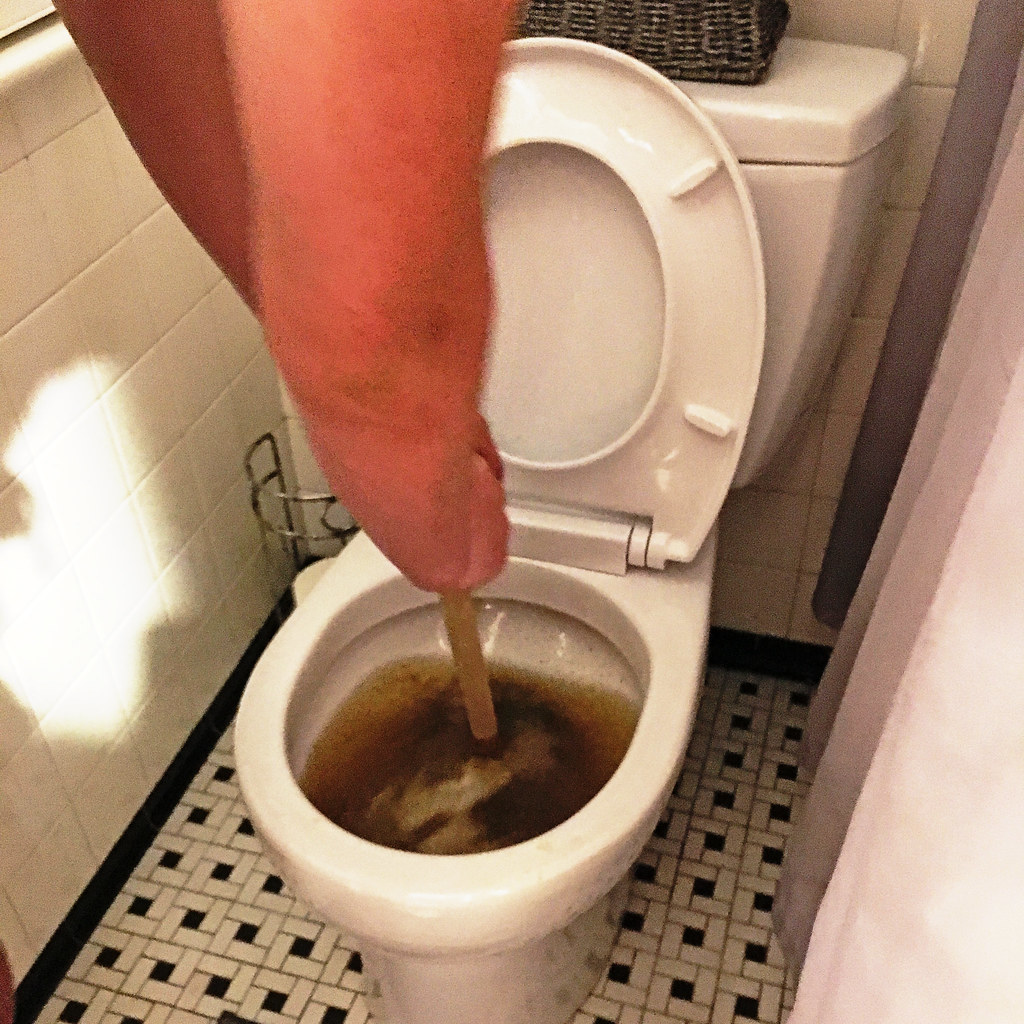
If a clog persists, grab a plunger. A few firm plunges can often clear minor blockages in the S-trap. If that doesn’t work, check the toilet flapper; adjusting or replacing it can improve flushing power.
Regular maintenance of air vents and keeping them clear can also help.
Lastly, if you suspect hard water buildup, consider a water treatment system. By addressing these issues promptly, you can keep your toilet running smoothly and avoid major plumbing headaches.

Frequently Asked Questions
How Often Should I Clean My Toilet to Prevent Clogs?
You should clean your toilet at least once a week. Regular cleaning helps remove buildup, ensuring smooth flushing. Don’t forget to check for any signs of trouble, as early action can prevent bigger issues later.
Can Using a Toilet Brush Cause Clogs?
Using a toilet brush won’t cause clogs if you’re careful. Just avoid pushing debris too far down the drain and guarantee you clean thoroughly. Regular maintenance and proper technique keep your toilet running smoothly.
What Should I Do if My Toilet Gurgles?
If your toilet gurgles, it might indicate a blockage or venting issue. You should check for clogs in the drain, guarantee vents are clear, and consider calling a plumber if the problem persists.
Are There Any Home Remedies for Preventing Toilet Clogs?
To prevent toilet clogs, you can use baking soda and vinegar. Pour half a cup of each into the bowl, let it sit for 30 minutes, then flush. It helps break down debris naturally.
How Can I Tell if My Toilet Is Prone to Clogging?
You can tell if your toilet’s prone to clogging by monitoring its flushing efficiency. If water backs up, drains slowly, or requires multiple flushes, it might be time to inspect for blockages or consider maintenance.
Conclusion
By following these simple guidelines, you can significantly reduce the risk of toilet clogs in your home. Always flush only human waste and toilet paper, and choose a dissolvable brand like Scott 1,000. Regular maintenance of your toilet’s plumbing is essential for optimal performance. Educate your household members on proper usage, and keep a plunger handy for minor clogs. Taking these proactive steps will help guarantee a smoother and hassle-free toilet experience.